Program
MADÁRKA
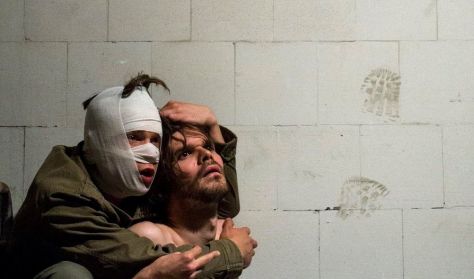
Al birkózni jár és csajozik, Madárka kanárit tart a szobájában és mindene a repülés. Mikor az élet páros lábbal padlóra küldi őket - egyiknek a testét, másiknak a lelkét sorozva meg izomból - talán tudnak segíteni egymásnak. Vajon feljutnak-e újra a felhők fölé?
Nincs aktuális előadás
Ön egy múltbeli eseményre keresett rá. Kérjük, válogasson aktuális kínálatunkból a Jegy.hu keresőjében!
Last event date: Sunday, September 06 2020 8:00PM
Madárka
William Wharton regénye nyomán barátságos ketrec-harc egy részben
A Másik Oldal és a Manna Produkció közös előadása.
Al birkózni jár és csajozik, Madárka kanárit tart a szobájában és mindene a repülés. Mikor az élet páros lábbal padlóra küldi őket - egyiknek a testét, másiknak a lelkét sorozva meg izomból - talán tudnak segíteni egymásnak. Vajon feljutnak-e újra a felhők fölé?
“Megépítettük a civilizációt, ezt a kalitkát, mivel képesek vagyunk gondolkodni, és most már muszáj gondolkodnunk, mert a kalitka nem ereszt. Ha ki tudnék törni a kalitkából, bizonyára megtalálnám valahol a valódi kinti világot. De vajon énekelnének-e ennyit a madaraim, ha a szabadban élnének, és szabadon röpködhetnének?”
Al................. Varga Ádám
Madárka...... Tóth János Gergely
Perta............ Simkó Katalin
Zene: Marton Róbert
Jelmez: Pirityi Emese
Báb: Raffai Péter
Fény/hang: Ács István
Munkatárs: Hodászi Ádám
Színpadra alkalmazta és rendezte: Gyulay Eszter
Köszönet Gáspár Annának, Krámli Andrásnak és Fehér Dánielnek.
A helyszín nem akadálymentesített!
Kényelmes, meleg öltözet javasolt!










Warning! The basket time limit is about to expire!
item(s) in basket
total:
Time limit has expired. Please, put item(s) in to basket again.